x
Post
Post
Consult
Consult
IM
IM
Feedback
Feedback
Top
Top


 Share
Share



Austria, Germany, Hungary, Liechtenstein, Poland, Slovakia, Switzerland, The Czech Republic, Antigua and Barbuda, Anguilla, Aruba, Bahamas, Barbados, Bermuda, Canada, Cuba, Commonwealth of Dominica, Cayman Islands, Dominican, Grenada, Greenland, Guadeloupe, Haiti, Jamaica, Jersey, Mexico, Martinique, Montserrat, Puerto Rico, Saint Kitts and Nevis, Saint Lucia, Saint Vincent and the Grenadines, Saint Pierre And Miquelon, Sint Maarten, Trinidad and Tobago, United States, United States Minor Outlying Islands, U.S.Virgin Islands
Austria, Germany, Hungary, Liechtenstein, Poland, Slovakia, Switzerland, The Czech Republic, Antigua and Barbuda, Anguilla, Aruba, Bahamas, Barbados, Bermuda, Canada, Cuba, Commonwealth of Dominica, Cayman Islands, Dominican, Grenada, Greenland, Guadeloupe, Haiti, Jamaica, Jersey, Mexico, Martinique, Montserrat, Puerto Rico, Saint Kitts and Nevis, Saint Lucia, Saint Vincent and the Grenadines, Saint Pierre And Miquelon, Sint Maarten, Trinidad and Tobago, United States, United States Minor Outlying Islands, U.S.Virgin IslandsWaterproof Backer Board: Foam vs. Cement Backer Board — The Complete Guide
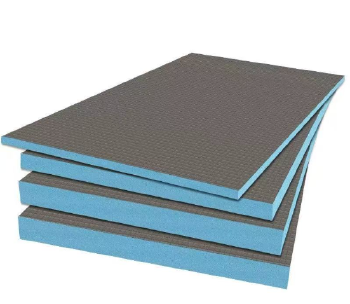
If you're building a shower, renovating a bathroom, or sourcing tile installation panels for a distribution business, you've probably asked the same question: do I really need a **waterproof backer board**, and is foam actually better than cement board?
The short answer: in wet areas, yes — you need waterproofing behind your tile, and foam panels have changed the math on speed, weight, and labor. In this guide, we'll break down what makes a backer board "waterproof," compare foam and cement board head-to-head, and — for importers and distributors — explain what to look for when sourcing backer boards factory-direct.
What Is a Waterproof Backer Board?
A backer board is a rigid panel installed behind tile in wet or high-moisture areas: shower walls, tub surrounds, steam rooms, bathroom floors, and exterior balconies. Its job is twofold:
1. **Provide a flat, dimensionally stable surface** that tile adhesive can bond to — unlike drywall, which swells and crumbles when wet.
2. **Block moisture** from reaching the wall cavity, studs, and insulation.
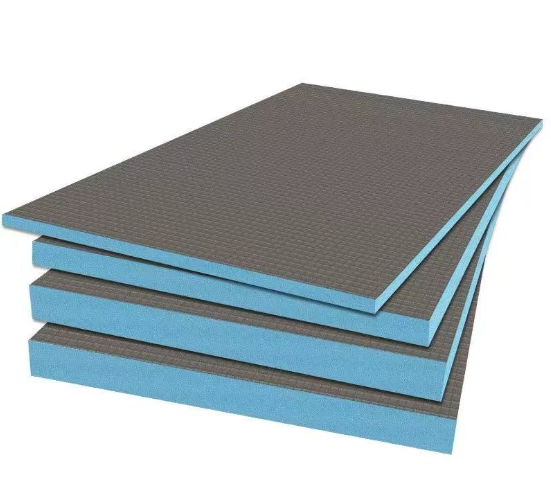
A true *waterproof* backer board achieves both in a single panel. Its core does not absorb water, so no separate waterproofing membrane is required on top. That single distinction is what separates modern foam-based panels from traditional cement board — and it's why more contractors are switching.


Verification Failed:
Verification Failed:


Comments
Feedback from Buyer