


How Does Your Solar Power System Work in Winter
 BuildMost Info
· 2026-11-04
Cold weather does not stop solar panels, and can even make them more efficient. Here is how winter sunlight, snow and cooler temperatures affect output, plus 3 ways to get more from your system.
A cold temperature certainly does not stop solar panels from power generation. Even in places like New England, known for short days, decreased sunlight, and snow storms, solar panels can be even more efficient. Here’s how:
What Happens to Your Solar Power in Winter
Solar panels need light, especially ultraviolet (UV), to produce power. For short, when sunlight hits your solar panels, a direct electrical current (DC) is created. Then it is converted to alternating current (AC) by your inverter, which is the AC that we use in our homes.
In winter, the sun is lower in the sky, and its light doesn’t hit your solar panels at an optimal angle, so solar power is less produced. Also, daylight hours in winter are shorter, meaning there is less time for your solar systems to collect sunlight.
However, as it may contradict your assumption, solar panels can be more efficient in winter despite the less produced solar power and less time to collect sunlight.
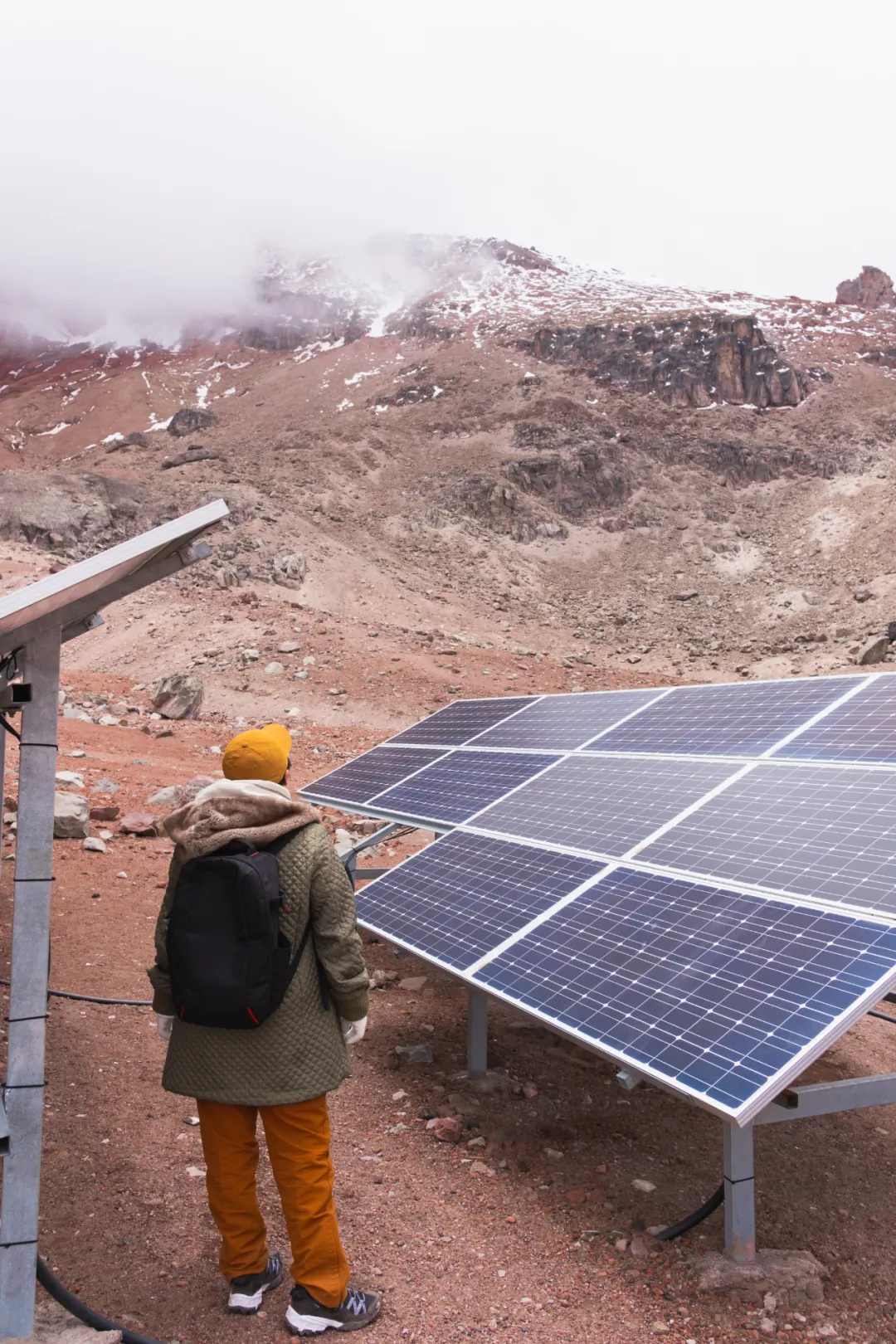
Image by wirestock on Freepik
Why Solar Panels Are More Efficient on Colder Days
A photovoltaic solar panel creates energy when sunlight (also known as irradiance) hits the cells and activates the electrons in the silicon. More energy will be produced when the electrons move faster. The larger the difference between the resting electrons and the moving ones, the more overall energy production. In colder temperatures, resting electrons have less energy, so when activated by the sun, the difference is larger and the energy output is higher.
Also, solar panels are more efficient because more power can be transmitted: as temperatures drop, the resistance of the wire is reduced, and there is less voltage drop.
In icy conditions or a light dusting of snow, your solar array still produces energy because the UV light is strong enough to penetrate through. When covered in snow, your array will not produce energy but the snow will slide off because of the angle of the panels combined with the panels’ black color attracting heat. Once the snow is clear, it can actually help the energy output by reflecting sunlight back up off the snowy ground.
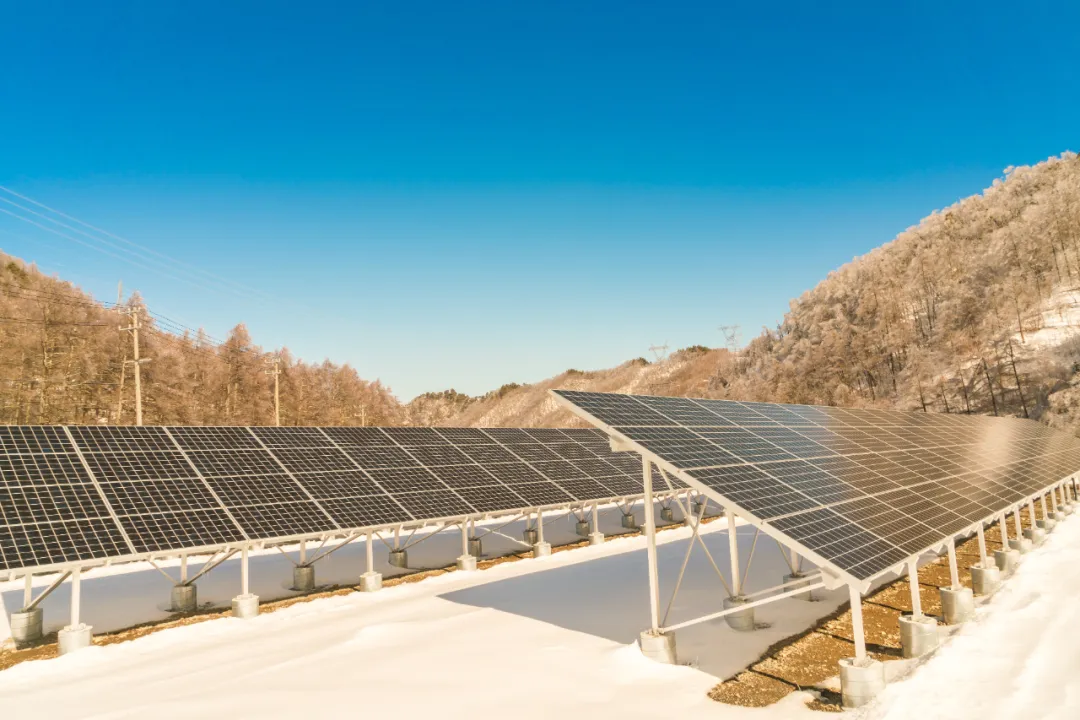
Image by jannoon028 on Freepik
How to Make the Most of Your Solar Power
1. Monitor your solar usage.
Solar monitoring measures the time you use power and tells when the most power is available. Check your monitoring tool for solar production and electricity consumption profiles.
2. Put your appliances on delay timers.
Once you’re familiar with your monitoring system, you can shift your energy requirements from the peak evening times to the off-peak daytime, so you can save bills by putting some of your appliances on a delay timer.
3. Make time for maintenance.
Schedule some regular maintenance and cleaning to keep your solar system working at its maximum potential. Autumn is a perfect time to undertake maintenance to ensure your system is in peak condition on winter days.
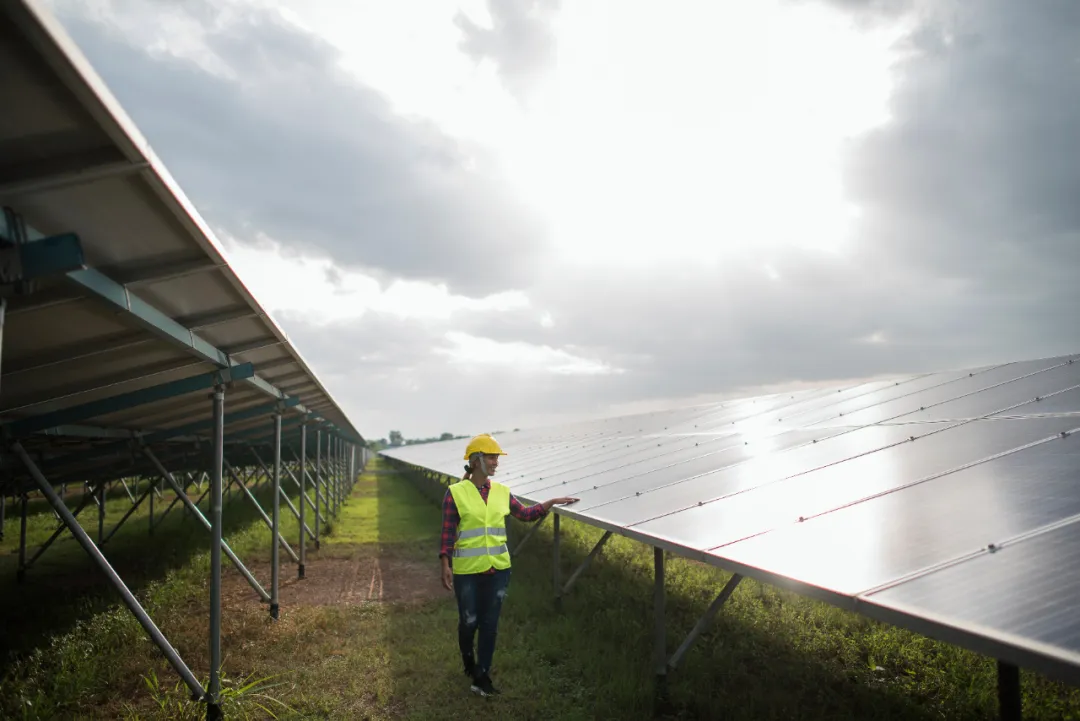
Image by jcomp on Freepik
This article is original content of BuildMost Info, whose copyright is jointly owned by BuildMost and the author. Without written authorization, no media, website or individual may reproduce, excerpt, copy or otherwise use all or any part of this article; if reproduced with authorization, the author, source and the original link must be credited, and the content must not be distorted or altered.




Comments
Feedback from Buyer